IOSH Supervising Safely Training in Ghana | WHSO Ghana
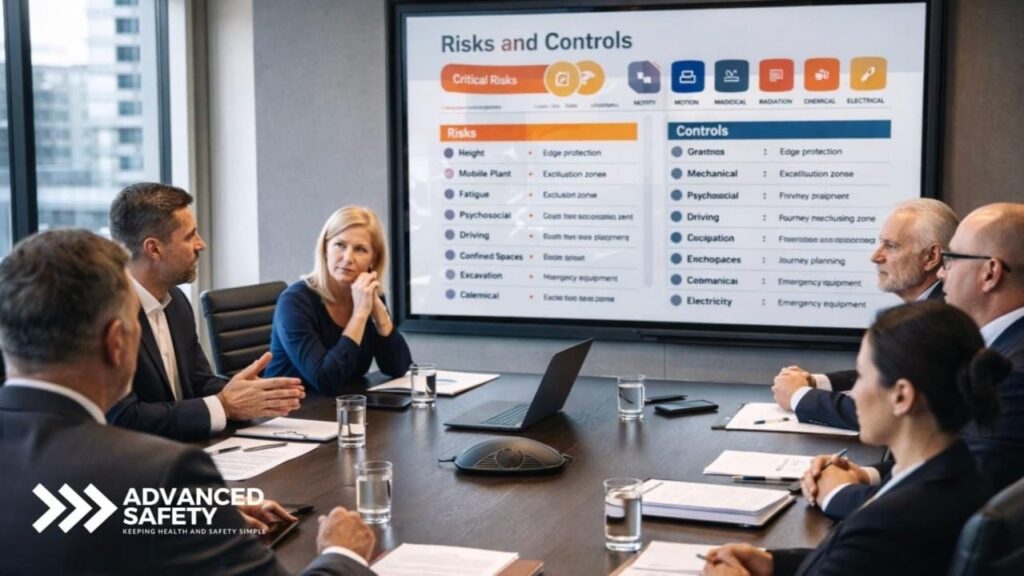
IOSH Supervising Safely in Ghana is a practical occupational health and safety training course designed for supervisors, team leaders and professionals responsible for overseeing employees and daily workplace operations.
Supervisors play an important role in preventing workplace accidents because they work closely with employees and are often responsible for implementing management instructions, monitoring work activities and ensuring that safety procedures are followed.
For organisations operating in Ghana, effective supervision is essential across construction, manufacturing, mining, logistics, security, hospitality and other industries.
The IOSH Supervising Safely course helps participants understand their safety responsibilities, identify workplace hazards, conduct inspections, monitor employee behaviour and support effective risk management.
Explore other IOSH courses in Ghana offered through WHSO Ghana’s training programmes.
Who Should Attend IOSH Supervising Safely Training?
This course is suitable for professionals across various industries in Ghana, including:
Site supervisors and team leaders.
Construction and project supervisors.
Security and operations supervisors.
Warehouse and logistics supervisors.
Production and factory supervisors.
Maintenance and engineering supervisors.
Facilities management personnel.
Individuals responsible for coordinating employees and contractors.
The training is particularly relevant to supervisors seeking to strengthen their workplace safety knowledge and improve the supervision of daily operations.
What You Will Learn
The WHSO Ghana Supervising Safely course outline covers eight important areas of workplace health and safety.
1. The Importance of Training and Supervision in Health and Safety
Participants learn why effective supervision and employee training are essential for maintaining safe working environments.
The module examines how inadequate supervision, poor communication and insufficient safety instructions can contribute to workplace accidents.
Supervisors develop an understanding of how to communicate safety expectations, monitor employees and ensure that workers understand their responsibilities.
2. Working with Management and Directors
Workplace safety requires cooperation between supervisors, managers, directors and employees.
Participants learn how to communicate safety concerns to management, report workplace hazards and support the implementation of organisational health and safety policies.
For example, a supervisor working at a construction site in Ghana should be able to report unsafe equipment, recommend corrective actions and communicate operational risks to project management.
Professionals who wish to develop broader management responsibilities can also explore IOSH Managing Safely training.
3. Safety Policies and Risk Assessments
Participants develop an understanding of workplace safety policies and the importance of risk assessments in accident prevention.
They learn how to identify hazards, evaluate workplace risks and ensure that appropriate control measures are implemented.
For example, supervisors overseeing employees working at height must recognise potential fall hazards and ensure that suitable protective measures and safe working procedures are in place.
For organisations operating in Ghana, these principles support the general workplace health and safety responsibilities established under the Ghana Labour Act, 2003 (Act 651).
Participants can also consult the UK Health and Safety Executive’s risk assessment guidance for practical approaches to identifying hazards, evaluating risks and implementing controls. This resource provides general guidance rather than Ghana-specific legal requirements.
4. Workplace Safety Inspections
Regular workplace inspections help organisations identify unsafe conditions before accidents occur.
Participants learn how to conduct basic safety inspections, recognise workplace hazards, check equipment conditions and report defects requiring corrective action.
These skills can be applied in Ghanaian factories, construction sites, warehouses, offices and other working environments.
The module also highlights the importance of maintaining inspection records and ensuring that identified safety concerns are addressed.
5. Monitoring Safety Standards
Effective supervision involves ensuring that employees consistently follow established safety procedures.
Participants learn how to monitor work activities, identify unsafe practices, check the correct use of personal protective equipment (PPE) and encourage responsible workplace behaviour.
For example, a warehouse supervisor should ensure that workers follow safe lifting procedures, use appropriate protective equipment and maintain clear access routes.
The module helps supervisors understand how regular monitoring and constructive feedback contribute to improved safety performance.
6. Accidents, Incidents and Near Misses
Workplace accidents and near misses provide valuable information for preventing future incidents.
Participants learn the importance of reporting unsafe occurrences, recording relevant information and supporting workplace incident investigations.
A near miss is an unplanned event that could have caused injury, illness or damage but did not.
For example, if an unsecured object falls from a storage rack without striking anyone, supervisors should still report the incident and ensure that appropriate preventive measures are introduced.
The module develops awareness of incident reporting, corrective actions and accident prevention.
7. Coordinating Contractors
Many organisations in Ghana engage external contractors for construction, maintenance, cleaning, security and specialised technical activities.
Participants learn how supervisors can help coordinate contractor activities and communicate workplace safety requirements.
The module addresses the importance of checking contractor competence, understanding work-related risks and ensuring that contractors follow relevant site safety procedures.
Effective contractor coordination helps reduce risks associated with overlapping activities, unfamiliar equipment and unsafe working practices.
Organisations seeking broader employee development can explore WHSO Ghana’s corporate health and safety training services.
8. Environmental Awareness
Workplace activities can affect the environment through pollution, improper waste disposal and inefficient resource use.
This module introduces supervisors to their role in promoting responsible environmental practices.
Participants explore practical measures such as:
Proper handling and disposal of waste.
Preventing spills and workplace pollution.
Responsible use of water and energy.
Safe handling and storage of materials.
Maintaining clean working environments.
These practices support responsible business operations and help organisations strengthen environmental awareness.
Course Duration, Assessment and Certification
Course Duration: Three days, including examination, according to WHSO Ghana’s published course information.
Training Delivery: Confirm available classroom locations, schedules and any alternative delivery formats with WHSO Ghana.
Assessment: A short multiple-choice examination and practical assessment, as described in the WHSO Ghana course outline.
Certification: Confirm current course approval and certificate eligibility for the specific training session before registration. You can consult the official IOSH training provider directory to check approved training providers and their courses.
Training Dates and Fees: Contact WHSO Ghana for available course dates, locations, registration requirements, training fees and applicable discounts.
Benefits of IOSH Supervising Safely Training in Ghana
Completing the course can help supervisors and organisations:
Improve workplace health and safety supervision.
Recognise hazards and support risk assessments.
Conduct and document workplace safety inspections.
Monitor employee compliance with safety procedures.
Communicate safety concerns effectively.
Support incident and near-miss reporting.
Coordinate contractor activities safely.
Promote responsible environmental practices.
Reduce unsafe workplace behaviours.
Strengthen organisational safety awareness and accountability.
For employers in Ghana, effective safety supervision can support accident prevention, improved employee awareness and stronger workplace safety performance.
Enquire About IOSH Supervising Safely in Ghana
Are you a supervisor, team leader or employer looking to improve workplace safety standards?
WHSO Ghana provides information about IOSH Supervising Safely training opportunities for individuals and organisations.
Contact WHSO Ghana to enquire about IOSH Supervising Safely training in Ghana, course schedules, assessment requirements, fees and registration arrangements.
You can also explore WHSO Ghana’s IOSH course catalogue to discover related workplace health and safety training options.
Develop the practical knowledge needed to supervise employees safely, identify workplace risks and contribute to a positive occupational health and safety culture.